
How to Use Keeper Security: A Beginner’s Step-by-Step Guide
Keeping track of dozens of passwords can be frustrating and risky. Reusing weak passwords or storing login credentials in unsecured places increases the chances of cyberattacks, identity theft, and unauthorized account access.
By TechScaleMedia Editorial · Updated July 2026 · 11 min read
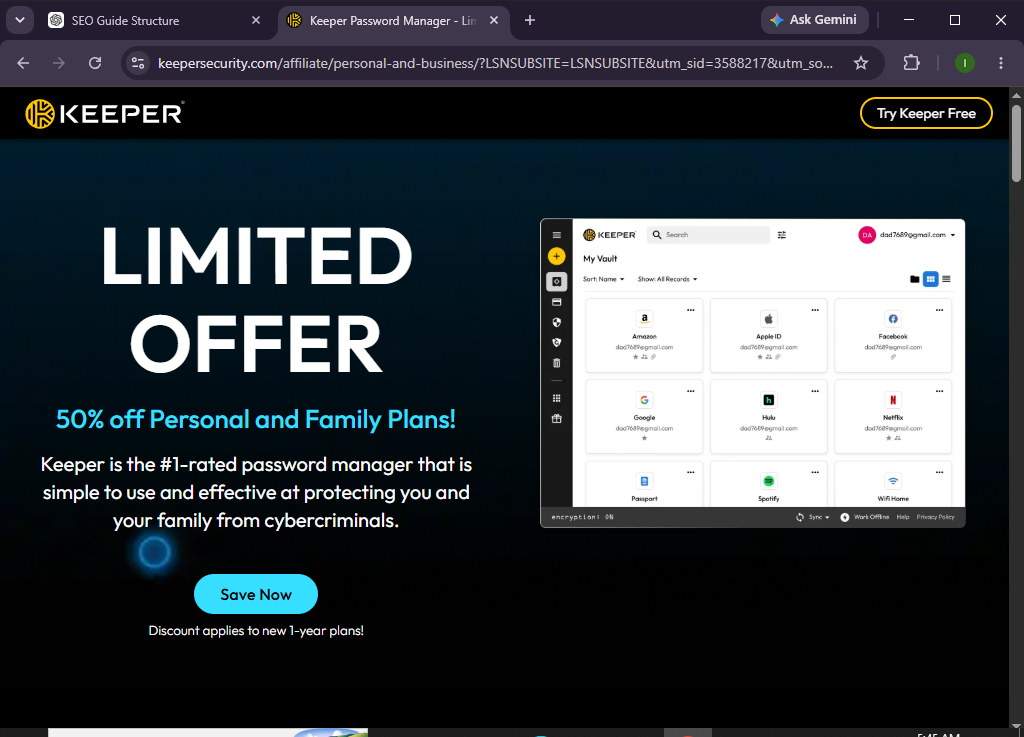
Keeper Security is a password manager and cybersecurity platform that helps individuals and businesses securely store passwords, generate strong credentials, enable multi-factor authentication, and protect sensitive information. With encrypted password vaults and cross-device synchronization, Keeper Security makes managing digital credentials both simple and secure.
Whether you’re securing personal accounts or managing passwords across an organization, this guide will show you exactly how to set up and use Keeper Security from scratch.
How Do You Set Up and Use Keeper Security?
Quick Answer
To use Keeper Security, create an account, install the Keeper app or browser extension, set up your encrypted vault, add passwords, organize records into folders, enable two-factor authentication, and use Keeper to autofill and generate strong passwords across your devices.
Prerequisites
Before you begin, make sure you have:
- A Keeper Security account
- An active Keeper subscription or trial
- A Windows, macOS, Linux, Android, or iOS device
- A supported web browser
- A stable internet connection
- Permission to install applications or browser extensions
- Basic knowledge of password management
Create a Workflow Manually (Recommended for Beginners)
If you’re new to password management, creating your first secure vault in Keeper Security is the best way to understand how the platform actually works.
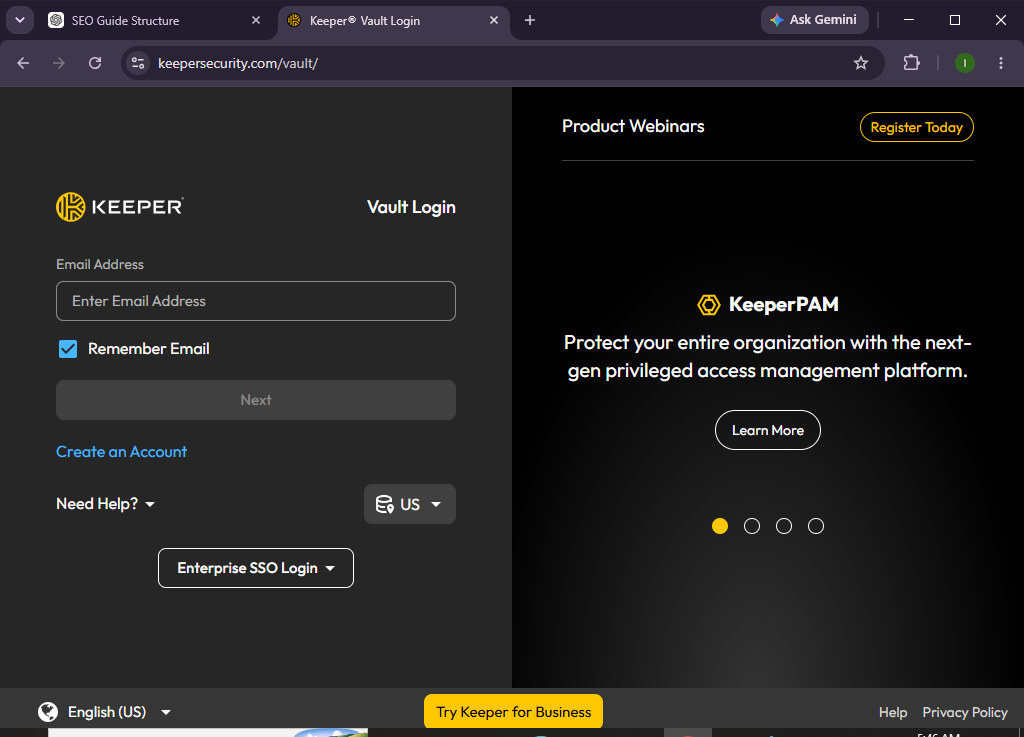
Step 1: Create Your Keeper Security Account
Visit the Keeper Security website and create your account.
During registration:
- Enter your email address.
- Create a strong master password.
- Select your subscription plan.
- Verify your email if required.
After registration, sign in to access your Keeper Vault.
Step 2: Install the Keeper Application
Download Keeper for your preferred device.
Supported platforms include:
- Windows
- macOS
- Linux
- Android
- iPhone/iPad
Install the application and launch it once the setup is complete.
Step 3: Install the Browser Extension
Keeper works seamlessly with popular browsers.
To install it:
- Open your browser’s extension store.
- Search for Keeper Password Manager.
- Click Add Extension.
- Confirm the installation.
The extension enables password autofill and secure credential saving while browsing.
Step 4: Set Up Your Password Vault
After signing in:
- Open your Keeper Vault.
- Review your security settings.
- Create your first folder.
- Prepare your vault for storing credentials.
Examples of folders include:
- Personal
- Work
- Banking
- Shopping
- Social Media
Organizing passwords makes them easier to manage.
Step 5: Add Your Login Credentials
To store a password:
- Click Add Record.
- Enter the website or application name.
- Add your username.
- Enter your password.
- Save the record.
Keeper encrypts your information before storing it.
Step 6: Generate Strong Passwords
Keeper includes a built-in password generator.
When creating a new account:
- Open the password generator.
- Select the desired password length.
- Include numbers, symbols, and uppercase letters.
- Save the generated password directly to your vault.
Strong, unique passwords improve account security.
Step 7: Enable Two-Factor Authentication
Increase account protection by enabling 2FA.
Navigate to:
Settings → Security
Then:
- Enable Two-Factor Authentication.
- Choose your preferred authentication method.
- Complete the setup process.
This adds an extra layer of protection to your Keeper account.
Step 8: Use Autofill for Faster Logins
When visiting a saved website:
- Click the Keeper extension.
- Select the appropriate login.
- Autofill your username and password securely.
This saves time while reducing typing errors.
Step 9: Share Passwords Securely
If you need to share credentials:
- Select the password record.
- Click Share.
- Enter the recipient’s email.
- Assign the appropriate permissions.
- Confirm the sharing request.
Keeper encrypts shared credentials to help keep them secure.
Step 10: Monitor Your Security
Regularly review your Keeper dashboard.
Check:
- Security Score
- Password strength
- Weak or reused passwords
- Breach monitoring alerts
- Shared records
- Device activity
Routine monitoring helps keep your accounts secure.
Want to simplify password management without compromising security?
See how Keeper Security can help you protect your accounts with encrypted password storage and powerful security features.
How Can You Get the Most Out of Keeper Security?
Tips
- Use the password generator for every new account.
- Enable two-factor authentication.
- Organize records into folders.
- Update weak passwords regularly.
- Install Keeper on all your devices.
- Review your Security Score frequently.
- Keep the application updated.
- Delete outdated or unused credentials.
What Should You Avoid When Using Keeper Security?
Common Mistakes
- Reusing passwords across websites
- Choosing a weak master password
- Ignoring security alerts
- Sharing passwords through email or messaging apps
- Forgetting to enable two-factor authentication
- Leaving old accounts in your vault
- Not backing up recovery information
How Can You Keep Your Password Vault Secure?
Best Practices
- Create a strong, unique master password.
- Enable two-factor authentication immediately.
- Replace weak or reused passwords.
- Review breach alerts regularly.
- Keep Keeper updated on every device.
- Remove old passwords you no longer need.
- Secure all important accounts with unique credentials.
- Lock your devices when not in use.
- Review shared access permissions regularly.
- Monitor your Security Score to improve account protection.
What Should You Do If Keeper Security Isn’t Working?
Troubleshooting
Unable to sign in
- Verify your email and master password.
- Reset your password if necessary.
- Confirm your subscription is active.
Browser extension isn’t working
- Restart your browser.
- Update the extension.
- Reinstall it if needed.
Passwords aren’t syncing
- Check your internet connection.
- Refresh the application.
- Verify you’re signed in on all devices.
Autofill isn’t working
- Ensure the browser extension is enabled.
- Check website compatibility.
- Update the extension to the latest version.
Frequently Asked Questions
Is Keeper Security free?
Keeper offers a free version with limited functionality, along with premium and business plans that provide additional features.
Does Keeper Security encrypt passwords?
Yes. Keeper uses zero-knowledge encryption to help ensure only you can access your stored passwords.
Can I use Keeper on multiple devices?
Yes. Keeper supports Windows, macOS, Linux, Android, iOS, and major web browsers.
Does Keeper generate secure passwords?
Yes. Its built-in password generator creates strong, unique passwords for your online accounts.
Can I safely share passwords with family or coworkers?
Yes. Keeper allows encrypted password sharing with other authorized users.
Is Keeper Security suitable for businesses?
Absolutely. Keeper offers business solutions with advanced administration, reporting, and secure credential sharing.
Conclusion
Keeper Security makes password management easier by combining encrypted storage, password generation, secure sharing, and multi-factor authentication in one platform. Whether you’re protecting personal accounts or managing credentials across an organization, it provides the tools needed to strengthen your overall cybersecurity.
By following this guide—creating your account, setting up your vault, adding passwords, enabling two-factor authentication, and monitoring your security—you can build better password habits and reduce the risk of unauthorized account access.
Start building a stronger security routine with Keeper Security.
Set up your encrypted password vault, replace weak passwords with stronger ones, and take a proactive approach to protecting your digital accounts every day.