
How to Use BigCommerce: A Beginner’s Step-by-Step Guide
Learn how to use BigCommerce to build, manage, and grow your online store with this beginner-friendly guide.
By TechScaleMedia Editorial · Updated July 2026 · 11 min read
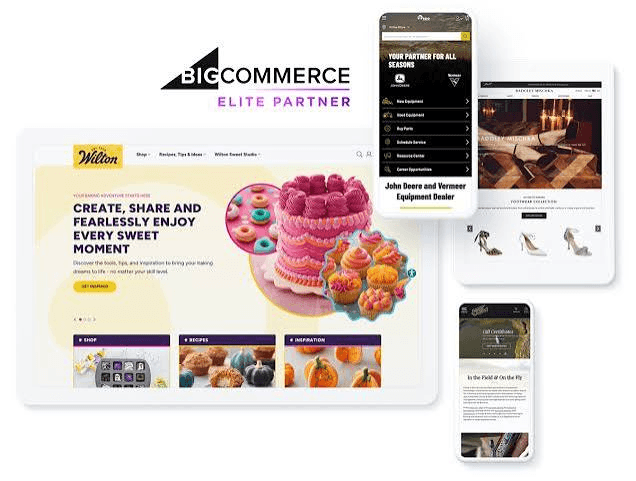
Launching an online store is easy, but managing products, payments, inventory, and sales across multiple channels can quickly become challenging as your business grows. BigCommerce solves this problem by giving you everything you need to build, manage, and scale an eCommerce business from one platform. From product management and secure payment processing to SEO tools and multi-channel selling, BigCommerce helps you streamline your operations without relying on multiple tools.
In this guide, you’ll learn how to use BigCommerce step by step to build your online store, optimize it for search engines, and start selling across multiple marketplaces with confidence.
Ready to launch and grow your online store? Try BigCommerce and manage your eCommerce business from one powerful platform.
How do you use BigCommerce?
Quick Answer
Using BigCommerce is simple:
- Create a BigCommerce account.
- Set up your online store.
- Add your products.
- Customize your storefront.
- Configure payment methods.
- Set up shipping options.
- Enable multi-channel selling.
- Optimize your store for SEO.
- Track sales and store performance.
Prerequisites
Before getting started, you’ll need:
- A BigCommerce account
- Business information
- Product details and images
- Business logo (optional)
- Payment gateway account
- Shipping information
- Internet connection
Step-by-Step Instructions
Follow these simple steps to set up your BigCommerce store, customize it, add products, and start selling online successfully.
Step 1: Create Your BigCommerce Store
Sign up for BigCommerce and enter your business details. During setup, choose your store name, currency, tax settings, and business location.
Completing these settings first ensures your store is ready to accept orders without configuration issues later.
Step 2: Choose and Customize a Theme
Browse the Theme Marketplace and select a design that matches your brand.
Customize your storefront by editing:
- Logo
- Colors
- Fonts
- Homepage banners
- Navigation menu
A clean, mobile-friendly storefront improves user experience and helps increase conversions.
Step 3: Add Your Products
Go to Products and create your product listings.
Include:
- Product title
- Description
- Images
- Price
- SKU
- Inventory quantity
- Variants like size or color
Write clear product descriptions using relevant keywords to improve your product pages in search results.
Step 4: Configure Payment Gateways
Connect your preferred payment provider, such as Stripe, PayPal, or another supported gateway.
Before launching your store, complete a test transaction to confirm customers can check out without problems.
Step 5: Set Up Shipping Rules
Configure shipping based on your business model.
Options include:
- Flat-rate shipping
- Free shipping
- Real-time carrier rates
- Local pickup
Offering accurate shipping costs improves customer trust and reduces cart abandonment.
Step 6: Enable Multi-Channel Selling
Expand your reach by connecting BigCommerce with popular sales channels.
You can sell products on:
- Amazon
- eBay
- Google Shopping
- TikTok Shop
Managing inventory from one dashboard helps prevent overselling and keeps product information consistent.
Step 7: Optimize Your Store for SEO
Improve your store’s visibility by editing:
- Page titles
- Meta descriptions
- Product URLs
- Category descriptions
- Image alt text
BigCommerce includes built-in SEO features that help search engines crawl and index your store more effectively.
Step 8: Launch Marketing Campaigns
Use BigCommerce’s built-in marketing tools to attract more customers.
Popular options include:
- Discount codes
- Abandoned cart recovery
- Email marketing integrations
- Promotional banners
- Customer coupons
These tools help increase conversions and encourage repeat purchases.
Step 9: Monitor Store Performance
After launching your store, review the Analytics dashboard to monitor:
- Sales
- Orders
- Conversion rate
- Best-selling products
- Customer behavior
Use this data to identify growth opportunities and improve your store’s performance over time.
Tips
Use built-in BigCommerce tools, keep your store organized, and regularly test your site to provide customers with a smooth shopping experience.
- Use high-quality product images.
- Write unique product descriptions.
- Enable abandoned cart recovery.
- Keep inventory updated regularly.
- Optimize every product page for SEO.
Common Mistakes
- Using duplicate product descriptions.
- Launching without testing checkout.
- Uploading low-quality product images.
- Ignoring mobile optimization.
- Forgetting to update inventory.
Troubleshooting
Customers can’t complete checkout
Verify your payment gateway settings and run a test order.
Products aren’t appearing
Check product visibility and confirm they’re assigned to the correct category.
Shipping rates are incorrect
Review your shipping zones, carrier settings, and shipping rules.
Store traffic is low
Optimize product pages for SEO and connect your store to Google Search Console and Analytics.
Inventory isn’t updating
Verify your inventory settings and any connected marketplace integrations.
Best Practices
- Keep product information accurate.
- Update inventory frequently.
- Monitor analytics every week.
- Improve product pages based on customer behavior.
- Test your checkout process regularly.
Frequently Asked Questions
Is BigCommerce good for beginners?
Yes. BigCommerce offers an easy-to-use interface, customizable themes, and built-in tools that make it suitable for beginners and growing businesses.
Can I sell on multiple marketplaces?
Yes. BigCommerce supports multi-channel selling through Amazon, eBay, Facebook, Instagram, Google Shopping, TikTok Shop, and other integrations.
Does BigCommerce include SEO tools?
Yes. It provides built-in SEO features, including customizable URLs, meta tags, redirects, and product page optimization.
Can I customize my storefront without coding?
Yes. The Page Builder lets you customize your store using a visual editor. Developers can also use Stencil for advanced customization.
Does BigCommerce support dropshipping?
Yes. BigCommerce integrates with several dropshipping apps and fulfillment providers available through its App Marketplace.
Conclusion
BigCommerce simplifies eCommerce by combining store management, inventory tracking, payment processing, marketing tools, SEO features, and multi-channel selling into one scalable platform. Whether you’re launching your first online store or expanding an established business, following these steps will help you create a professional storefront, reach more customers, and manage your operations more efficiently.
Ready to Sell Online? Get Started with BigCommerce
Start using BigCommerce today to build your online store, sell across multiple channels, optimize your products for search engines, and grow your eCommerce business with confidence.