
How to Use a Hand-Powered Portable Espresso Maker: A Complete Guide for Brewing Espresso Anywhere
Whether you’re camping in the mountains, traveling for work, heading out on a road trip, or simply want great coffee without relying on electricity, a hand-powered portable espresso maker makes it possible to enjoy fresh espresso-style coffee almost anywhere. These compact devices are lightweight, easy to carry, and designed to produce rich, flavorful shots using only hot water, finely ground coffee, and manual pressure.
By TechScaleMedia Editorial · Updated July 2026 · 11 min read
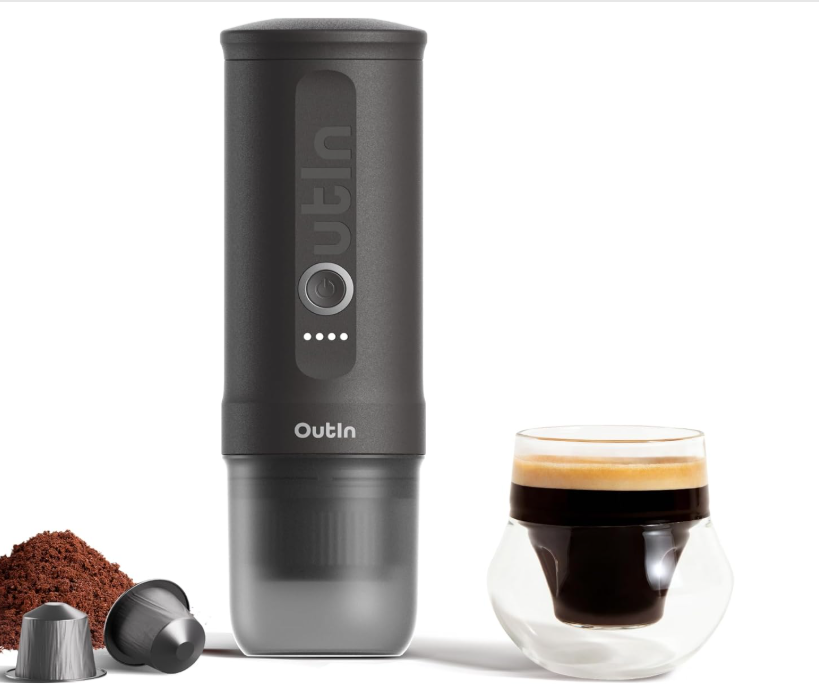
While they may look simple, getting consistently smooth, balanced espresso depends on using the right brewing technique. Factors such as grind size, coffee dose, tamping pressure, water temperature, and pumping rhythm all play an important role in the final flavor and extraction. With a little practice and proper care, a portable espresso maker can deliver café-quality results wherever your adventures take you.
How Do You Use a Hand-Powered Portable Espresso Maker?
Quick Answer
- Heat water separately.
- Grind fresh coffee beans.
- Fill and tamp the filter basket.
- Assemble the espresso maker.
- Add hot water.
- Pump to build pressure.
- Brew into your cup.
- Clean all parts after use.
- Store the device properly.
Prerequisites
Before you begin, you’ll need:
- Hand-powered portable espresso maker
- Fresh coffee beans
- Coffee grinder
- Hot water (195–205°F)
- Kettle or camp stove
- Espresso cup
- Tamper (if required)
Create a Workflow Manually (Recommended for Beginners)
If you’re new to portable espresso makers, using your first Hand-Powered Portable Espresso Maker is the best way to understand how the device actually works.
Step 1: Heat the Water
Boil fresh water using a kettle, camp stove, or another heat source. Allow it to reach the recommended brewing temperature of 195–205°F.
Step 2: Grind the Coffee
Grind your coffee beans to a fine espresso consistency just before brewing for optimal extraction.
Step 3: Fill the Filter Basket
Fill the filter basket with the ground coffee and tamp it gently until the surface is level. Avoid packing it too tightly, as this can restrict water flow.
Step 4: Assemble the Espresso Maker
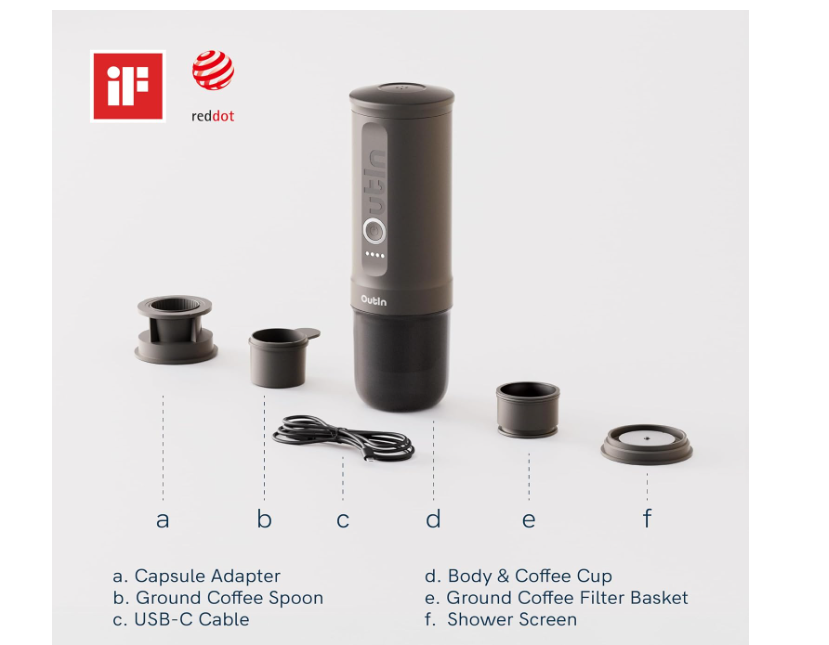
Secure the water chamber, filter basket, and pump mechanism according to the manufacturer’s instructions.
Check that all components are tightly fitted to prevent leaks.
Step 5: Add Hot Water
Carefully pour the heated water into the water chamber without exceeding the maximum fill line.
Step 6: Pump to Build Pressure
Pump the lever steadily to build pressure until espresso begins flowing from the spout.
Step 7: Brew the Espresso
Continue pumping until you’ve brewed your desired amount of espresso, then stop once the flow slows naturally.
Step 8: Clean the Espresso Maker
Remove the used coffee puck, rinse all removable parts with clean water, and allow them to dry before reassembly.
Step 9: Store the Device
Once dry, reassemble or collapse the espresso maker and store it in its carrying case or another clean, dry location.
Ready to improve your coffee routine?
Keep reading to learn the step-by-step process, practical tips, and expert techniques for brewing consistently delicious espresso anytime, anywhere.
How Can You Use Hand-Powered Portable Espresso Maker More Efficiently?
Tips
- Preheat the cup with hot water to keep your espresso warmer.
- Measure your coffee for consistent results every time.
- Experiment with different coffee beans to find your preferred flavor.
- Carry extra ground coffee in an airtight container while traveling.
- Use clean, filtered water whenever available.
How Can You Avoid Common Hand-Powered Portable Espresso Maker Errors?
Common Mistakes
Overpacking the Filter Basket
Too much coffee can make pumping difficult and reduce extraction quality.
Inconsistent Pumping Speed
Maintain a steady rhythm to produce more balanced espresso.
Overfilling the Water Chamber
Stay below the maximum fill line to avoid leaks.
Ignoring Worn Seals
Damaged seals can reduce pressure and affect brewing performance.
Leaving Coffee Residue Inside
Cleaning immediately after brewing prevents buildup and keeps the device working efficiently.
How Can You Get the Most Value from Hand-Powered Portable Espresso Maker?
Best Practices
- Keep the filter basket and water chamber free of coffee residue.
- Inspect seals and gaskets regularly for wear.
- Store the espresso maker in a protective case when traveling.
- Replace worn components with compatible parts.
- Practice the same coffee dose and pumping rhythm for consistent results.
How Can You Troubleshoot Hand-Powered Portable Espresso Maker Effectively?
Troubleshooting
Espresso Flows Too Slowly
Use a slightly coarser grind or reduce the amount of coffee in the basket.
Espresso Tastes Weak
Increase the coffee dose slightly or use a finer grind.
Little or No Crema
Use freshly roasted beans and apply consistent pumping pressure.
Water Leaks During Brewing
Check that all parts are properly assembled and the seals are clean.
The Guard Feels Loose
Inspect the basket for overfilled coffee or blocked components.
Frequently Asked Questions
Can I use a portable espresso maker without electricity?
Yes. Hand-powered portable espresso makers rely on manual pressure and only require hot water from an external heat source.
What grind size works best?
A fine espresso grind provides the best extraction and flavor.
Why isn’t my portable espresso maker producing crema?
Old coffee beans, an incorrect grind size, or insufficient pumping pressure can reduce crema formation.
Can I use pre-ground coffee?
Yes, but freshly ground coffee usually delivers better flavor and aroma.
How often should I clean the espresso maker?
Clean all removable parts after every use to prevent coffee residue from affecting future brews.
Conclusion
A hand-powered portable espresso maker is an excellent choice for coffee lovers who want the freedom to brew espresso-style coffee without depending on electricity or bulky equipment. By using freshly ground coffee, maintaining the correct water temperature, applying even tamping pressure, and pumping consistently, you can achieve rich flavor and reliable extraction wherever you are.
Regular cleaning, proper storage, and routine maintenance will also help keep your espresso maker in excellent condition and ensure dependable performance over time. Whether you’re camping, traveling, commuting, or enjoying the outdoors, following the techniques and best practices in this guide will help you brew delicious, satisfying espresso with confidence every time.
Enjoy Espresso Anywhere
Take your coffee routine beyond the kitchen with a hand-powered portable espresso maker. Follow these simple brewing techniques to enjoy fresh, espresso-style coffee whether you’re camping, traveling, commuting, or relaxing at the office.